
Arabic Language Department - Shaqlawa College of Education
The Arabic Language Department was established at the College of Education in Shaqlawa in the academic year 2012–2013. Initially, it was a part of the College of Education in Erbil. Dr. Sajda Zrar was the first acting head of the department. In 2015, when the Shaqlawa College of Education became an independent institution, the Arabic Language Department also became one of its departments. Ms. Nahla Hussein Taha became the head of the department.
Former Heads of Department- Dr. Mahdi Othman Abdullah – until 2019
- Dr. Hakim Abdulnabi Hassan – 2019 to 2023
In 2024, Dr. Hiba Allah Mohammed Shafi Rasul became the head of the department and continues in the role to this day.
Goals of the Arabic Language DepartmentThe goals of this department include familiarizing students with the Arabic language and teaching them proficiency, as well as developing and enhancing their level of learning in this language. So far, four cohorts have graduated from this department and received degrees in Arabic language and literature.
The Importance of the Arabic LanguageArabic is recognized as one of the most vibrant and valuable living languages in the world. Its significance stems from two aspects:
- It is the language of the noble religion of Islam and was sent by Almighty God to the Prophet (peace be upon him) as the language of the Holy Qur’an.
- It is the official language of Iraq and the second language in the Kurdistan Region in terms of administration.
Therefore, it is important for Kurds to learn this language, as it is said: “Whoever knows the language of a nation will understand its thoughts, sentiments, attention, and plans.” This allows one to integrate with their environment, understand needs and developments, and protect themselves accordingly.
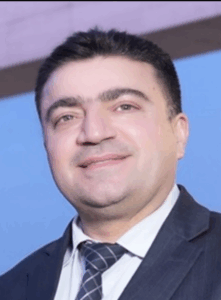
Dr. Hiba Allah Mohammed Shafi Rasu
- Born in 1976 in Soran.
- Graduated from Salahaddin University, College of Arts, Department of Arabic Language in 1997.
- During the academic year 1997–1998, worked as a teacher and administrator at the preparatory school in the village of Dvri, under the Akrê Education Directorate, and continued until 2000.
- Completed her master's degree at the University of Mosul, College of Arts, Department of Arabic Language, specializing in Arabic Linguistics in 2007.
- Received the academic title of Assistant Professor from Salahaddin University in 2008.
- Completed her PhD in Arabic Linguistics from the University of Mosul – College of Arts in 2015.
- Was awarded the academic title of Lecturer in 2015.
- Currently teaches linguistics and morphology at Salahaddin University – College of Education in Shaqlawa.
- Has participated in several academic conferences and seminars.
Objective of the Arabic Language Department
The goal of the Arabic Language Department is to train and educate students in the fields of Arabic language and literature so that they can professionally serve in the areas of education, teaching, research, translation, and media in a scientific and formal manner.
The department strives to apply the highest standards of teaching and training, and aims to contribute by preserving the language and human culture and by fostering a relationship of friendship, enlightenment, and humanity between the Kurdish and Arab peoples, based on mutual understanding and respect.
VisionThe Arabic Language Department
The Arabic Language Department views itself as a scientific source for the preservation and advancement of the Arabic language through:
- Training qualified teachers in the Arabic language.
- Teaching the fundamentals of linguistics, literature, and lexicography.
- Preparing the job market for Arabic language teachers.
- Engaging in academic research and promoting Arab culture, art, and literature.
- Advancing in translation (Arabic to Kurdish and Kurdish to Arabic).
-
Mastering the fundamentals of the Arabic language:
Guiding students to understand grammar (syntax), morphology, literary topics, and text analysis in a scientific way and apply them practically.
-
Reading and analyzing texts and literature:
Active reading and critical analysis of classical and modern Arabic literature including poetry, prose, literary, and philosophical texts.
-
Formal speaking and writing skills:
- Enhancing the ability to speak and write formally, clearly, coherently, and fluently.
- Delivering formal speeches and producing texts, research papers, reports, and opinions in Arabic in an academic manner.
-
Understanding the history and development of the Arabic language and its literature:
Gaining knowledge of classical and modern literary works and becoming aware of the structure and culture of the Arabic language.
-
Practical use of language in education and teacher training:
Preparing teachers with language skills and directing them toward different educational and instructional centers.
-
Research activity:
Developing the ability to conduct and advance scientific research in Arabic, using a variety of sources and published materials.
-
Engagement with Arabic culture and enlightenment:
Acquiring essential cultural knowledge, linguistic awareness, and understanding the interconnectedness of languages and cultures.
-
Alignment with job market and teaching goals:
The Arabic Language Department prepares students to become Arabic language teachers in schools according to national education laws, and also equips them with skills to be productive in the job market.
-
Integration among scientific subjects:
Arabic language subjects (linguistics, morphology, reading, literature, criticism, research, translation, and comparison) are interlinked and collectively contribute to skill development and effective learning.
-
Integration between language and culture:
The program integrates language learning with understanding the culture and history of a nation, in a humanistic and enlightening way.
-
Alignment with modern teaching approaches:
The Arabic department incorporates modern teaching methods for educators, supports skills in translation, information access, and applying technology in teaching and learning.
-
Integration of study and research:
Students are trained to make research a part of their education, enabling them to produce academic and literary analysis through guided instruction.
Degree Program Overview
The degree program in the Arabic Language Department focuses on training students in Arabic language, linguistics, morphology, reading, writing, literature, criticism, translation studies, comparative linguistics, and cultural text analysis. The goal of this program is to prepare Arabic language students to formally teach within schools, educational institutions, or related fields, and to deliver courses within the department’s framework.
The program also encourages a balanced and scientific approach, progressing in both education and research. It teaches students how to effectively use the language and understand the emotional and intellectual dimensions of Arabic culture and literature.
In this context, the department also paves the way for graduate studies (obtaining Master's and Doctoral degrees in Arabic language and literature).
-
Enhancing Written Communication Skills:
In a professional setting, students may be required to compose a detailed report for their manager, outlining the findings of a market research project. The ability to organize information clearly, support claims with evidence, and adhere to formal writing conventions is crucial for the success of this task.
For a university application, students may need to craft a compelling personal statement that effectively communicates their academic achievements, extracurricular involvement, and future goals. Strong written communication skills are essential in this context.
- EdA1101 - Introduction to Syntax (6 ECTS): Learning and gaining familiarity with the rules of sentence structure in Arabic.
- SU1002 - Academic Skills (6 ECTS): Training students in academic discussion and critical thinking.
- EdA1102 - Principles of Morphology (6 ECTS): Understanding grammatical rules within the word structure.
- SU1004 - English for University Students (3 ECTS): Developing proficiency in academic English and deeper understanding of key topics.
- EdA1103 - Poetry of Pre-Islamic Literature (6 ECTS): Introduction to poetry and poets of the pre-Islamic era.
- SU1003 - Kurdish Studies (3 ECTS): Enhancing student ability in using the Kurdish language.
- EdA2101 – Basics of Syntax (6 ECTS): Understanding the fundamentals of Arabic syntax in sentence structure.
- EdA2102 – Basics of Morphology (Verbs and Nouns) (6 ECTS): Introduction to morphological structures, focusing on nouns and verbs.
- EdA2103 – Prose of Pre-Islamic Literature (6 ECTS): Exploring prose works from the Jahiliyyah (pre-Islamic) period.
- Ed1101 – General Psychology (6 ECTS): Introduction to psychology and its major characteristics and concepts.
- SU1005 – English for Specific Purpose (3 ECTS): Enhancing English proficiency with deeper focus on subject-specific topics.
- SU1001 – Computer Skills (3 ECTS): Developing competency in using computers and necessary software applications.
- EdA1201 – Pivot of Syntax (6 ECTS): Understanding the structural pivots of Arabic syntax within sentence composition.
- EdA1202 – Derivational Morphology (6 ECTS): Introduction to the rules of morphological derivation.
- EdA1203 – Islamic Literature (6 ECTS): Familiarization with the poetry of poets from the Islamic era.
- EdA1204 – Rhetoric (6 ECTS): Introduction to the science of rhetoric within Arabic linguistics.
- EdA1205 – Phonology (6 ECTS): Understanding the fundamentals of phonological science in the Arabic language.
- EdA1206 – Rhythms of Poetry (6 ECTS): Introduction to the foundations of prosody (ʿArūḍ science) in Arabic poetry.
- EdA1201 – Reproduction of Syntax Arabic (6 ECTS): Mastery of transformations in Arabic syntax.
- EdA1202 – Variety of Morphology (6 ECTS): Understanding the foundations and diverse patterns of morphology.
- EdA1203 – Umayyad Literature (6 ECTS): Familiarization with the poetry and prose of the Umayyad era.
- EdA1204 – Aesthetic of Language (6 ECTS): Proficiency in aesthetic principles in Arabic linguistics.
- EdA1305 – Phonetic Analysis (6 ECTS): Introduction to phonetic investigation and articulation.
- EdA1206 – Poetry (6 ECTS): Expertise in the rhythmic patterns of Arabic poetry.
- EdA1301 – Complementary of Syntax (3 ECTS): Introduction to syntactic complements in Arabic syntax.
- EdA1302 – Abbasid Literature (3 ECTS): Mastery of literary forms and themes of the Abbasid era.
- EdA1303 – Rhetoric of Semantics (2 ECTS): Understanding rhetorical elements within Arabic semantics.
- EdA1304 – Semantics (3 ECTS): Introduction to the science of meaning in language.
- EdA1305 – Third Century (3 ECTS): Proficiency in literary criticism from the Jahili to the third century era.
- EdA1206 – Research (3 ECTS): Skill development in research methodology and strategies.
- EdA1307 – Measurement & Evaluation (3 ECTS): Training students in assessment and evaluation techniques.
- EdA1301 – Cohesion of Syntax (3 ECTS): Mastery of syntactic connectivity and cohesion in Arabic syntax.
- EdA1302 – Andalusia Literature (3 ECTS): Understanding the literary contributions of the Andalusian period.
- EdA1303 – Rhetorical Structure (2 ECTS): Introducing students to rhetorical constructs in Arabic language.
- EdA1304 – Semantics (3 ECTS): Training students in the science of meaning and semantic analysis.
- EdA1305 – Literary Criticism Third and Fourth Centuries (3 ECTS): Proficiency in analyzing Arabic literature from the 3rd and 4th centuries.
- EdA1206 – Reading Comprehension (2 ECTS): Training students in reading, interpreting, and understanding texts.
- EdA1207 – Method of Teaching and Observation (4 ECTS): Introducing teaching strategies and classroom observation methods.
- EdA1401 – Modern and Contemporary Arabic Poetry (3 ECTS): Introducing students to modern and contemporary Arabic poetry and its themes.
- EdA1402 – Philology and Linguistics (3 ECTS): Equipping students with foundational knowledge in Arabic philology and linguistic structures.
- EdA1403 – Modern Literary Criticism (2 ECTS): Training students in methods of literary criticism in modern and contemporary Arabic literature.
- EdA1404 – History of Comparative Literature (2 ECTS): Introducing the historical development and methodologies of comparative literature.
- EdA1405 – Elective (2 ECTS): Guiding students in selecting a specialized elective topic aligned with their interests.
- EdA1406 – Practicum (2 ECTS): Providing students with hands-on experience in teaching and lesson delivery.
- EdA1407 – Research Project (2 ECTS): Supervising students in writing and presenting a graduation research project.
- EdA1401 – Modern & Contemporary Prose (3 ECTS): Introducing students to modern and contemporary Arabic prose and its stylistic features.
- EdA1402 – Text Analyzation (3 ECTS): Enhancing student skills in linguistic analysis of written texts.
- EdA1403 – Modern Curriculum Movements (2 ECTS): Introducing students to contemporary movements in educational curriculum and criticism.
- EdA1404 – Applications of Comparative Literature (2 ECTS): Familiarizing students with practical research in comparative literature studies.
- EdA1405 – Expression (Listening and Speaking) (3 ECTS): Training students in effective Arabic oral expression through listening and speaking.
- EdA1406 – Analysis of Literary Texts (3 ECTS): Guiding students in analyzing various forms of literary texts.
- EdA1407 – Research Project (2 ECTS): Supervising students through writing and presenting their final research project.
Government-Funded Study (Zankoline) – Supported by the Government
Description:This option provides free education for students who meet the required eligibility criteria and can enroll through the general admission system (Zankoline).
Requirements:- Must meet the academic requirements set by the Ministry of Higher Education and Scientific Research.
- Selection is based on the student’s score, particularly in literary subjects, and requires supporting results.
- Free university education.
- Access to all university services.
Parallel Study –
This option allows students who are unable to enroll through the Zankoline system to register by paying tuition fees.
Tuition Fee:800,000 Iraqi Dinars annually.
Requirements:- The student must fulfill the basic academic requirements for the department (such as Arabic Language).
- Access to the same level of quality education as the regular government system.
- Allows students to achieve their academic goals without being restricted by the general admission system.
General Admission Requirements for Both (Zankoline and Parallel): Academic Ability:
Must fulfill the academic entry standards.
Registration Process:- Enrollment via the national Zankoline registration system.
- Submission of necessary documents (ID, certificates).
- Basic knowledge of Arabic is required, as most courses are delivered in Arabic.
- Knowledge of Kurdish is also important and highly beneficial.
After students graduate, there can be continuous communication between the department and the graduates with the aim of further integration and aligning the department's program and goals with the labor market.
Graduate Employability
- Professional translation (written and verbal translation)
- Arabic language teacher
- Journalism and writing
- Publishing and literary writing and criticism
- Work in governmental and non-governmental sectors related to language and communication
- Companies and both public and private institutions where Arabic language is relevant
- Clarifying career pathways for graduates
- Preparing students for the job market with local and international work skills
- Enhancing writing, translation, critique, and evaluation skills
"The goal of the Arabic Language Department is to enhance graduates’ employability in the job market."
- Production in Ancient and Modern Literary Studies”, which was published at the International Islamic University in the College of Revelational Knowledge for Human Sciences on 2021 AD, International Serial Number ISSN2805-4393, printed by Shaker House for Printing and Publishing, and the titles of the two published research papers in this book are as follows: 1- Light and Darkness in the Poetry of Nazik Al-Malaika, published on page 114, 2- The Concept of Light and Darkness in the Islamic Concept, published on page 230
- https://doaj.org/article/ffc311cc4c2642e78b1ed1fd97a84c48
- The Foundations of the Textual Consistency in Surat Al-Iftar / Glai Zanst Magazine / Lebanese French University / Summer 2021
- Communication in the Novel "Papa Sartre" for the Novelist Ali Badr/ Journal of Arts, Literature and Humanities / Emirates College of Educational Sciences / Issue 33 - January 2019
- The Deictic References in Moses’ story in quran/Researcher Magazine / University of Soran - Iraq / Issue 4 Fall 2019
- Sarcasm in Ahmed Matar's poetry
- Radhawi Ashur 's Novel
- Baytoushi's evidence in the double prepositions in his book ((Sarf u Alhenaya fe kashf u Alkyfaya) Between grammatical thought and literary taste
- https://www.researchgate.net/publication/361890190_asham_altdam_almjmy_fy_tmask_alns_qsydt_albrdt_lkb_bn_zhyr_anmwdhja
- تعدد مصادر الأفعال الثلاثية الجوفاء في القرآن الكريم - دراسة صوتية دلالية . - من اسرار تعدية الفعل دخل في القرآن الكريم . - التضمين النحوي في القرآن الكريم - دراسة نقدية . - أثر المصوتات القصيرة في دلالة البنية الصرفية في القرآن الكريم .
- مجلة الدراسات اللغوية والأدبية
- Volume 13, Special Issue, Issue 2, November 2022 e-ISSN 2637-1073 الترقيم الدولي
- شعر التصوف بين ابن عربي ومحوي- دراسة مقارنة. منشور في مجلة الأستاذ بجامعة بغداد/ كلية التربية ابن رشد.
- الاغتراب في شعر شيركو بيكس/ قصيدة "الكـرسـي" نموذجا. منشور في مجلة "توێژەر" بجامعة سوران.
- التواصل في رواية "بابا سارتر" لـروائي "علي بدر". منشور في "مجلة الفنون والأدب والعلوم الإنسانيات والاجتماع" بكلية الإمارات للعلوم التربوية في الإمارات العربية المتحدة.
- تصوير الذات في ديوان الحلاج/ دراسة سيميولوجية. منشور في "مجلة الفنون والأدب وعلوم الإنسانيات والاجتماع" بكلية الإمارات للعلوم التربوية في الإمارات العربية المتحدة.
- إیماءات الجسد في روایة (ساق البامبو) لسعود السنعوسي. منشور في مجلة "توێژەر" بجامعة سوران.
- کاریگەریی تێڕوانینی ئیبن عەرەبی سەبارەت بە یەکێتی بوون لەشیعری شەمسی مەغریبی و واجمدا. منشور في مجلة "توێژەر" بجامعة سوران.
- سافی لە نێوان بینینی ئاوەز و بینینی دڵیدا، پەرتوکێکی تایبەت بەکۆنفڕانسی سافی هیرانی 1 (الخاص), ٤٨١-٥٠٠.
- عوارض التركيب في فتح الباري شرح صحيح الباري
- التمهيد بالأساليب النحوية في كتاب فتح الباري شرح صحيح البخاري
- المباحث الدلالية في رسائل جامعة بغداد
- استراتيجية التوجيه غير الالزامي في شعر صالح بن عبدالقدوس التمني والنداء انموذجاً
- استراتيجية التوجيه غير الالزامي في شعر صالح بن عبدالقدوس الامر والنهي انموذجاً
- مرجعيات الغريب عند أبي عمرو الشيباني في التفسير اللغوي لألفاظ غريب الحديث النبوي الشريف (مقبول للنشر)، مجلة كلية الآداب / الجامعة العراقية ( بغداد – العراق )، في 14/آذار/2016.
- أسباب الغريب عند أبي عمرو الشيباني في التفسير اللغوي لألفاظ غريب الحديث النبوي الشريف (مقبول للنشر)، مجلة العلوم الإسلامية، جامعة تكريت ( تكريت – العراق )، في 14/آذار/2016.
- الاقتراض اللغوي عند ابن فارس في معجم مقاييس اللغة : مجلة آداب الرافدين ـ جامعة الموصل / كلية الآداب
- مسائل قل ولا تقل في كتاب الفصيح لأبي العباس ثعلب : مجلة آداب الرافدين ـ جامعة الموصل / كلية الآداب.
- النضر بن شميل ومروياته اللغوية في كتب غريب الحديث (جمع وتوثيق): مجلة آداب الرافدين ـ جامعة الموصل / كلية الآداب
- شرائط تولية القضاء في الفقه والقانون، مجلة الفنون واللأدب وعلوم الإنسانيات والإجتماع ـ الأمارات
- القرآن أولا : الجزء الأول والجزء الثاني.
- اصلاح النفس أولا.
- الخطب المنبرية العصرية الجزء الأول والجزء الثاني.
- منهج القرآن والحديث النبوي لتقليل ظاهرة الطلاق.
- شرح تصريف الملا علي باللغة الكردية مهيأة للطبع
- الفنون البلاغية في قصيدة (عندما يغيب البيان) لأحمد جار الله/ دراسة تحليلية مجلة زانكو للعلوم الإنسانية 29 (1), 14-37 2025
- المعاني الثواني لصيغ الأمر في أحاديث سنن الترمذي/ بلاغتها ودالالتها مجلة التربية للعلوم الإنسانية 5 (17), 140-165 2025
- التلاؤم وأثره في دلالة النص وتماسكه مجلة آداب الفراهيدي 9 (5), 61-81 2024
- التقابل ملمحا أسلوبيا في قصيدة (لأنكثن بوعدي إذا) لسليم بركات ALUSTATH JOURNAL FOR HUMAN AND SOCIAL SCIENCES 63 (4), 62-80 2024
- بنيّة الحِجّاج في قصيدة (الموت والقنديل) لعبد الوهاب البياتيّ مجلة آداب المستنصرية 48 (108), 94-118 2024
- The Simile Style in Safi Hirani's Diwan and its Artistic Imagery: Selected Examples مجلة زانكو للعلوم الإنسانية 28 (5), 163-178 2024
- أثر انسجام المقاطع الصوتية على المعنى/ جزء (قد سمع ) أنموذجا مجلة نسق 43 (3), 728-745 2024
- من مظاهر خروج الكلام عن مقتضى الظاهر في سورة آل عمران/دراسة بلاغية. College of Basic Education Researches Journal 20 2024
- بلاغة الأصوات في سورة الحجر (دراسة وصفية تحليلية) College of Education for Women Journal 26 (2اللغة العربية) 2024
- التّلاؤم التركيبي في التّعريف والتّنكير جُزءُ (قد سَمِعَ) ميدانا اداب الرافدین 53 (93), 39-57 2023
- التلاؤم في التركيب الاستعاري جزء ( قَدْ سَمِعَ) ميداناً مجلة آداب الرافدين 94 (53), 67-87 2023
- The implications of deviating speech from the apparent context in Surah (Aal-E-Imran) / A rhetorical study 2024/01/January 20 (2), 476-508
- إذا الفجائية: إشكالية التصنيف والتركيب والعمل
- أثر حالة الضرورة لارتكاب الجريمة في المسؤولية في الشريعة الإسلامية والقانون العراقي
- تعليم المرأة في الإسلامونماذج من النساء العالمات الكورديات. بحث منشور في مجلة قهڵای زانست العلمية التابعة للجامعة اللبنانية الفرنسية، المجلد (6)، العدد (3) صيف 2021
- التدرج في الإسلام، مشروعيته، والحكمة منه. بحث منشور في مجلة قهڵای زانست العلمية التابعة للجامعة اللبنانية الفرنسية، المجلد (8)، العدد (2) ربيع 2023
- التدرج التربوي في الإسلام. بحث منشور في مجلة گۆڤاری زانكۆ بۆ زانسته مرۆڤایهتییهكان، التابعة لجامعة صلاح الدين/ أربيل، بهرگی (27) ژماره (spA) ساڵی 2023 https://zancojournal.su.edu.krd/index.php/JAHS/article/view/817/499
- أهمية تعلم اللغات في الإسلام. بحث منشور في مجلة International Conference For Calligraphy ، التاريخ 2021/11/8 Volume 1، Issue 1
- الفساد ومدلولاته في ضوء القرآن الكريم والسُّـنَّة النبوية. بحث منشور في مجلة Prosiding Konferensi Nasional Bahasa Arab، Issue 7، التاريخ 2021/10/9
- - ظاهرة الإعراب وأثرها في النحو العربي
- الادارة المغولية الايلخانية في أقليم أذربيجان (617-736ه/ 1219-1335م)
- أ. م . د . سلمان محمد خضر كتاب الابحاث الكاملة / المؤتمر الدولي الحادي عشر للعلوم الاجتماعية … 2024
- الخليفة العباسي المعتصم بالله ودوره في الفتوحات الاسلامية والقضاء على حركات المعارضة و التمرد
- د . سلمان محمد خضر و د.حاتم فهد هنو كتاب المتون الكاملة / المؤتمر الدولي الثاني عشر للدراسات التاريخية … 2020
- الزراعة والثروة الحيوانية في اقليم اذربيجان في عهد الدولة المغول الايلخانية
- د . سلمان محمد خضر كتاب الابحاث الكاملة / المؤتمر الدولي الحادي عشر للعلوم الاجتماعية … 2019
- ادعاءات التفسير العرقي للتاريخ بين الواقع العلمي والخيال الفلسفي ادعاءات جوستاف لوبون انموذجا
- د . سلمان محمد خضر و د. كا وة عزيز برايم اداب الرافدين / جامعة الموصل 76 (جامعة الموصل), 598-557 2019
- قطب الدين الشيرازي حياته و مصنفاته العلمية
- د . سلمان محمد خضر ابحاث كلية التربية الاساسية 15 (كلية التربية الاساسية / جامعة الموصل), 1138 … 2019
- نصيرالدين الطوسي حياته وموطنه وانجازاته العلمية
- د . سلمان محمد خضر اداب الرافدين / جامعة الموصل 78 (كلية التربية الاساسية / جامعة الموصل … 2019
- علاقة السلطان احمد تكودار المغولي مع السلطان الممالك قلاوون الالفي
- د . سلمان محمد خضر مجلة رابه رين 8 (جامعة رابة رين) 2016
- علاقات جلال الدين مع الخلافة العباسية
- د . سلمان محمد خضر و د. نيشتما ن بشير محمد
- الفتنة ودلالاتها في القران الكريم (مصطلح ومنهج)
- ثقافة العنوان الحكائي للكتب النقدية العربية، مجلة التربية للعلوم الإنسانية- كلية التربية بجامعة الموصل.
- الثورة معياراً حداثياً عند النقاد العربي، مجلة فصل الخطاب- جزائر
- رؤية العالم في نشيد الأممية (دراسة بنيوية تكوينية)، مجلة كلية التربية للبنات- الجامعة العراقية
- (بيع حلي الذهب والفضة بالتفاضل والتأجيل دراسة فقهية) بحث منشور في مجلة العلوم الاسلامية/ جامعة بغداد، العدد 38، عام 2014.
- (تطبيقات المرابحة المصرفية في مرحلة التواعد) بحث منشور في مجلة العلوم الاسلامية/ جامعة بغداد، العدد 41، عام 2015.
- (الاعلان التجاري، حكمه وضوابطه في الفقه الاسلامي) بحث منشور في مجلة جامعة صلاح الدين/ أربيل للعلوم الانسانية، العدد 57، عام 2013.
- (البدائل الشرعية لبيع الذهب والفضة بالتقسيط) بحث منشور في مجلة جامعة كويه للعلوم الانسانية والاجتماعية، العدد 1، عام 2018 .
- (حكم ايداع النقود في البنوك الربوية ــ دراسة تأصيلية) بحث منشور في مجلة كلية العلوم الإسلامية/ جامعة بغداد، العدد 56، عام 2018.
- (رسومات التمويل العقاري في الفقه الإسلامي) بحث منشور في مجلة الدراسات التاريخية والحضارية/ جامعة تكريت، العدد 41، عام 2019.
- حكم الانضمام لشركات التسويق الشبكي دراسة فقهية تأصيلية، بحث منشور في مجلة الرافدين كلية الآداب/ جامعة الموصل.
- حكم التعامل بالعملات الإلكترونية وضوابطه الشرعية، بحث منشور في مجلة الرافدين كلية الآداب/ جامعة الموصل.
- حواشي الشيخ أحمد مفتي زاده على كتاب (أولويات الحركة الاسلامية) للشيخ يوسف القرضاوي تحقيق وتقييم، بحث منشور في مجلة الدراسات التاريخية والحضارية/ جامعة تكريت، العدد ، عام 2020م.
- الغياب عن العمل الوظيفي وأثره في استحقاق الراتب دراسة فقهية، بحث منشور في مجلة جامعة كويه للعلوم الانسانية والاجتماعية.
- منهجية التأليف في كتاب صرف العناية في كشف الكفاية لعبدالله البيتوشي
- مجلة كلية الاداب / جامعة بنها / مصر 46 (جامعة بنها / مصر) 2016
- الحملة الصليبية على الحجاز
- د . سلمان محمد خضر و د. نيشتما ن بشير محمد 2014
Academic Advising
1. Individual Academic Advising Meetings:Each student is assigned an academic advisor who provides personalized guidance focused on the student's main activities, efforts, and professional goals. These advisors assist with course selection, study path development, and resolving educational difficulties.
2. Support in Course Selection and Registration:Advisors help students choose appropriate courses for each semester to ensure smooth progress toward degree completion. They also assist in registration and help resolve scheduling conflicts and academic prerequisites.
3. Career Planning and Advancement:Academic advisors provide useful guidance on job applications, postgraduate programs, and professional development. Graduate students (Master’s or PhD) can receive guidance on research improvement, thesis topics, and choosing advanced academic programs.
4. Monitoring Academic Success:Advisors identify student progress and provide support when academic challenges arise. Through early intervention strategies, students receive help to stay on track, such as access to tutors or participation in learning workshops.
5. Meetings and Seminars:In-person meetings are conducted to strengthen student success in areas like reading skills, time management, research methodology, and career development. Advisors may also organize seminars with special guests from universities, the job market, or the health sector to clarify career paths related to the field of language.
6. Student Mentorship Program:Senior or graduate students can mentor new students by sharing experiences about exams and providing guidance in academic and career decisions.
Internships allow students to apply their theoretical knowledge in real-world contexts and develop practical, research, and technical skills.
• Career Path Exploration:Students can directly engage with professional fields to make informed decisions about their career futures.
• Professional Networking:Students have the opportunity to connect with professionals, researchers, and future employers.
• Improved Employability:Students who complete internships are more competitive in the job market because these experiences better prepare them for employment.
Types of Internships:Students can participate as:
- Teachers or lecturers in public and private institutions
- Translators
- Writers and preparers of academic and journalistic reports
- Researchers
- Contributors to educational or research projects
- Creators of private institutions for teaching language and literature
- Religious presenters or public speakers
- Typists or professional editors, especially in linguistics and publishing
- Academic Advising Support: Academic advisors assist students in finding suitable internship opportunities.
- Department Collaboration: Departments may help in providing placement and internship opportunities.
- Application Process: Most internships require a CV, cover letter, and academic transcript. Some may require interviews or skill assessments.
- Timing: Internship efforts are commonly done in the summer or during the final academic year.
- Direct translation services for citizens
- Translators in public and private institutions
- Educational and training services
- Public speaking
- Language advising
- Literary and linguistic mentoring
- Workshops and seminars: Conducted on topics like interviews, networking, job trends, CVs, and applications. These build knowledge and confidence for job seekers.
- Job placement support: Partnership with public/private institutions and companies to help students find job opportunities and receive training certifications.
- Career festivals and networking events: Annual events connect students with employers, providing insight into careers. Alumni, professors, and professionals participate.
- Graduate study guidance: Support for Master's or PhD applications in language/literature, including proposals, personal statements, and application processes.
- Entrepreneurship support: Resources and planning for business development, in cooperation with university startup incubators.
- Enhanced employability: Strong CVs, interview skills, and networking prepare students for the job market.
- Personalized advising: Tailored support for individual career goals.
- Career-related knowledge: Awareness of modern trends and expectations helps students stay competitive.
- Confidence and readiness: Training and resources boost confidence and career preparedness.
Dr. Hiba Allah Mohammed Shafi Rasul— Head of Arabic Department
- Email: [email protected]
- Phone: +009647504155305