
Department Overview
The Kurdish Language Department is a part of the Education College in Shaqlawa. Its graduates become teachers of Kurdish language and literature. Therefore, the department focuses on teaching specialized courses in language, literature, education, and teaching methods.
History: The Kurdish Language Department initially began as a section within the Education College of Salahaddin University in Erbil, accepting its first batch of students in the academic year 2012-2013. Later, in 2014, the Education College in Shaqlawa became an independent college, and the Kurdish Language Department was established as a main department within the new college.
Graduation and Staff: Up to 2025, the department has had 9 graduating classes. Many graduates have been appointed as permanent or contractual teachers. Some have completed higher education (Master’s), some are currently PhD students, and some are teaching staff in the department.
Quality and Community Service: Since its establishment, the department has emphasized quality education and training. Graduates are knowledgeable and well-prepared, serving their communities and region effectively.
Academic Collaboration: For the academic year 2023-2024, the Kurdish Language Department formed a collaborative higher education partnership (Master’s and PhD) with the Basic Education College of Salahaddin University. Faculty members cooperate and supervise postgraduate students jointly.
Scientific Activities: Until 2024-2025, the department has co-hosted three scientific conferences and organized several symposiums and workshops.
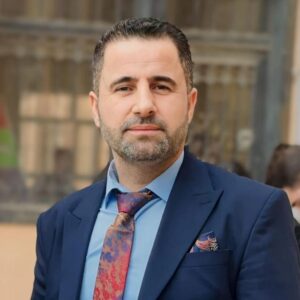
Head of depart
- Name: (P.Y.D. Hiwa Ahmed Asaf)
- Bachelor’s Degree: Kurdish Language and Literature, 2006.
- Master’s Degree: Kurdish Language (Dialectology), 2009.
- PhD: Kurdish Language (Pragmatics), 2022.
- Title Received: Assistant Professor, 2023.
- Publications: Several scientific research papers and books.
- Research Fields: Dialectology, Morphology, Pragmatics, Sociolinguistics.
Mission
- Preparing qualified teachers in the field of Kurdish language and literature, so graduates have good knowledge and high competence in education and teaching.
- Producing a conscious and knowledgeable new generation.
- Guiding students for good upbringing for future generations.
- Supporting student teaching practice to become good researchers in the field of Kurdish language and literature.
Vision
The department’s vision is to provide better education and a more aware and conscious generation, achieved through these steps:
- Improving the quality of education.
- Centering the student.
- Valuing modern education.
- Updating programs and subjects with real-life context.
- Considering community needs and obtaining practical solutions.
Learning Outcomes
Graduates of the Kurdish Language Department become teachers of Kurdish language, literature, and educators. The learning outcomes of this department include:
- Acquiring good knowledge about (grammar and different levels of language, social functions of language, error detection and language editing, sentence analysis, text analysis, language teaching, translation, etc.).
- Acquiring good knowledge about Kurdish literature in terms of (literary text analysis, literary criticism, literary genres, classical and modern Kurdish literature, world literature, etc.).
- Gaining expertise and skills in how to teach and interact with students, manage classrooms, and deal with various internal and social conditions.
- Acquiring knowledge and skills in how to write (essays, literary texts, scientific research).
- Acquiring knowledge and skills to solve problems, think critically, and cope with challenges within classrooms and daily life.
Partnerships
The Kurdish Language Department has coordination and collaboration with many sectors and contributes to organizing various aspects of life and society, such as:
- A strong partner of the Ministry of Education and the education sector (both public and private) in preparing qualified teachers for teaching in schools.
- A collaborator with society and families to improve student education, aiming to enhance individual thinking and behavior within society and families.
- A supporter of the country’s academic and cultural foundations by preparing a large number of researchers in the fields of language, literature, and education.
- A partner of media institutions and administrative organizations through the provision of expert and professional staff in the field of Kurdish language and language editing, which is a critical need for any media outlet or institution.
Ungraduated Study
The Bachelor’s degree program in the Kurdish Language Department is designed to prepare students to become professional teachers of Kurdish language and literature. Over the course of eight semesters (four years), students study various specialized subjects. Students acquire knowledge and skills in several areas, including the following:
- First: Linguistics – This includes subjects such as grammar, dialectology, general linguistics, sociolinguistics, translation, editing, and syntactic analysis.
- Second: Literary Studies – This includes subjects such as poetics, text analysis, literary theory, literary criticism, classical Kurdish literature, and modern literature.
- Third: Psychology – This includes general psychology, educational psychology, and developmental psychology.
- Fourth: Teaching Methods, Standards, and Assessment – Students become familiar with different teaching methodologies and also gain practical experience by teaching in schools. In addition, they learn how to conduct tests and assess student comprehension levels.
- Fifth: Computer Skills – Students are taught the basics of computer use and the software applications necessary for teaching.
- Sixth: Second Language – Students take two courses in English language, one course in Persian language, and one course in terminology of language and literature in English.
Postgraduate studies
Higher education refers to studying at a more advanced and in-depth level, where students explore subjects in greater detail. The Kurdish Language Department at the College of Education in Shaqlawa, in cooperation with the College of Basic Education, launched higher education programs for the academic year 2023–2024, as follows:
Master’s Degree:
- Separate programs in Kurdish Language and Kurdish Literature.
- Students complete two specialized courses.
- Students write a master’s thesis.
- Graduates receive a Master’s degree in their chosen field.
Ph.D. Degree:
Students specialize more deeply than at the master’s level. The options include:
-
Ph.D. in Philosophy of Language:
- After one course, the student writes a dissertation.
- Specializations include: pragmatics, semantics, morphology, phonology, applied linguistics, etc.
-
Ph.D. in Philosophy of Literature:
- After one course, the student writes a dissertation.
- Specializations include: literary criticism, hermeneutics, poetics, stylistics, etc.
Program Learning Outcomes
The outcomes of learning according to the department's program include:
- Enhancing students' knowledge about various subjects in the fields of Kurdish language, literature, and education.
- Developing students’ ability and competence in teaching and conducting scientific research.
- Improving students’ writing skills, reading preferences, and intellectual capacity for comprehension.
- Strengthening the ability to think critically and solve problems through analytical reasoning.
- Enhancing the ability to present and lead effectively.
First Semester:
- EdK1101 - Literary texts – poetry (Core) (6 ECTS): Understanding the structure and fundamentals of literary texts (poetry).
- EdK1102 - Phonetics (Core) (6 ECTS): Functioning of articulatory organs and the production of sounds in language.
- EdK1103 - Folklore (Core) (6 ECTS): Introduction to Kurdish folklore and its characteristics.
- EdK1104 - General Psychology (Core) (3 ECTS): Understanding the mind and its general traits.
- SU1002 - Academic Skills (Core) (6 ECTS): Training students in academic discussions and critical thinking.
- SU1004 - English for University Students (Core) (3 ECTS): Enhancing students' English language proficiency.
Second Semester:
- EdK2101 – Literary texts – prose (Core) (6 ECTS): Understanding prose texts and the various genres within prose.
- EdK2102 – Dialectology (Core) (6 ECTS): Understanding dialects, their types, causes of formation, and ways of distribution.
- EdK2103 – Phonology (Core) (6 ECTS): Introducing students to the phonological rules of the Kurdish language.
- EdK2104 – Literary Genres (Core) (6 ECTS): Introducing students to different literary genres and how to distinguish between them.
- SU1001 – Computer Skills (Core) (3 ECTS): Developing proficiency in using computers and essential software.
- SU1005 – English for Specific Purpose (Core) (3 ECTS): Enhancing English proficiency with a focus on academic and field-specific topics.
Third Semester:
- EdK1201 - Morphology (Core) (6 ECTS): Introduction to grammatical rules within the boundaries of words.
- EdK1202 - History of Kurdish Literature (Ancient) (Core) (6 ECTS): Understanding the history of classical Kurdish literature.
- EdK1203 - Syntax I (Core) (6 ECTS): Learning and mastering the rules for sentence structure in Kurdish.
- EdK1204 - Poetry (Rhythm) (Core) (3 ECTS): Introduction to the fundamentals of composing classical poetry, rhythm, and meter.
- EdK1205 - Literary Schools (Core) (6 ECTS): Learning about different styles and schools of producing and analyzing literary texts.
- EdK1206 - Educational Psychology (Core) (3 ECTS): Understanding foundational principles of educational interaction with students.
Fourth Semester:
- EdK2201 - Syntax II (Core) (6 ECTS): Deepening understanding of syntactic rules and sentence structures in Kurdish.
- EdK2202 - History of Kurdish Literature (Modern) (Core) (6 ECTS): Study of the development and trends in modern Kurdish literature.
- EdK2203 - Linguistics (Core) (6 ECTS): Introduction to fundamental topics in general linguistics.
- EdK2204 - Poetry (Aesthetics) (Core) (6 ECTS): Exploring aesthetic foundations in the creation of literary texts.
- EdK2205 - Developmental Psychology (Core) (3 ECTS): Understanding psychological development of individuals, especially during adolescence.
- EdK2206 - Literary & Linguistic Terms (Core) (3 ECTS): Familiarization with scientific terminology in linguistics and literary studies in English.
Fifth Semester:
- EdK1301 - Theoretical Criticism (Core) (3 ECTS): Introduction to literary criticism theories and their foundational concepts.
- EdK1302 - Retorica (Core) (3 ECTS): Understanding the art of rhetoric in literary discourse.
- EdK1303 - Modern Literature (Core) (3 ECTS): Study of contemporary Kurdish literature including movements, figures, and developments.
- EdK1304 - Sociolinguistics (Core) (2 ECTS): Exploring the relationship between language and society and their mutual influences.
- EdK1305 - Linguistics (Core) (3 ECTS): General topics and principles in linguistics.
- EdK1306 - Persian Language I (Core) (2 ECTS): Introduction to Persian language and development of basic usage skills.
- EdK1307 - Measurement and Development (Core) (2 ECTS): Training students in assessing comprehension and cognitive skills.
Sixth Semester:
- EdK2301 - Practical Criticism (Core) (3 ECTS): Application of literary criticism theories to analyze literary texts.
- EdK2302 - Stylistics (Core) (3 ECTS): Study of literary styles and techniques of stylistic analysis.
- EdK2303 - Modern Literature 2 (Core) (3 ECTS): Exploration of Kurdish modern literature in the contemporary period.
- EdK2304 - Psycholinguistics (Core) (2 ECTS): Study of the relationship between language and psychology and their effects on each other.
- EdK2305 - Persian Literature (Core) (2 ECTS): Introduction to Persian literary heritage and major works.
- EdK2306 - Applied Linguistics (Core) (2 ECTS): Understanding functional language use across various fields.
- EdK2307 - Teaching Method (Core) (4 ECTS): Principles and techniques of effective lesson delivery and teaching methods.
Seventh Semester:
- EdK1401 - Comparative Literature (Core) (3 ECTS): Introducing students to the comparison of literature between nations and their mutual influence.
- EdK1402 - Semantics (Core) (3 ECTS): Studying the inner structure of language and the relationship between form and meaning.
- EdK1403 - Theoretical Literature (Core) (3 ECTS): Understanding theoretical foundations of literary production.
- EdK1404 - Comparative Grammar (Core) (3 ECTS): Presenting structural comparisons between Kurdish and foreign languages.
- EdK1405 - Elective (Elective) (2 ECTS): Students choose one topic from either literature or language for focused study.
- EdK1406 - Training (Core) (2 ECTS): Practicing teaching methods and preparing for a professional teaching role.
- EdK2407 - Research Project (Core) (2 ECTS): Practicing academic writing and refining a research topic.
Eight Semester:
- EdK2401 - Pragmatics (Core) (3 ECTS): Study of language in context, emphasizing meaning over form and focusing on implied and situational meanings.
- EdK2402 - Theoretical Literature (Core) (3 ECTS): Introduction to foundational theories behind literary production and interpretation.
- EdK2403 - Comparative Literature (Core) (3 ECTS): Comparative study of literatures across nations, examining their mutual influences and interactions.
- EdK2404 - Comparative Grammar (Core) (3 ECTS): Analysis of Kurdish grammar in comparison with foreign languages, highlighting structural similarities and differences.
- EdK2405 - Story and Novel (Core) (3 ECTS): Exploration of the genre foundations of short stories and novels, with emphasis on translation and narrative technique.
- EdK2406 - Elective (Supportive) (2 ECTS): A language or literature topic chosen by the student from selected options.
- EdK2407 - Research Project II (Supportive) (2 ECTS): Development and writing of an independent academic research project.
Admissions
To be admitted to the Department of Kurdish Language, a student must meet the following conditions:
- The student must successfully complete 12th grade with a good grade.
- The student must know the Kurdish language or be willing to learn it.
- The student must submit an application form through the Ministry of Higher Education and Scientific Research via (Zankoline or Parallel) system.
- The student must meet the general admission requirements of universities and institutes in the Kurdistan Region.
Alumni
Until the academic year (2024–2025), the Department of Kurdish Language has had 9 graduating classes, and in each class, more than 50 students have received their bachelor’s degrees.
Graduates can be employed and serve as teachers in both the public and private sectors.
They can also work as linguistic editors in media institutions or organizations.
- Ismahil, Mudhafar Mostafa. 2024. Death at Hajj Qadir al-Koyi. Koya University Journal of Humanities and Social Sciences, 6(2): 243–251. (DOI: https://doi.org/10.14500/kujhss.v6n2y2023.pp243-251)
- Mostafa, Mudhafar, & Salih, Mostafa. 2022. Aspects and shortcomings of Kurdish literary examples in the Kurdish literary textbooks in the elementary level. Twejer, 5(2): 377–440. (Publisher: Faculty of Arts at Soran University)
- Ismahil, Muthafor Mustafa, & Amin, Sirwan Jabar. 2020. Religion and Myth as Two Dimensions of Collective Unconsciousness in Kaka Mam Botany’s WazyacaniRashagom. Zanco Journal of Humanity Sciences, 24(3): 96–116.
- Mudhafar Mostafa Ismahil, & Sirwan Jabar Amin. 2019. The Reflection of Social Mask in Kaka Mam Botani’s novel ‘Dirz’. Twejer Journal, 2(2): 51–72. (Publisher: Soran University)
- Ismahil, Mudhafar Mostafa. 2025. Appearances of the Prophets in Ali Hariri’s Kurdish Poems. In Ali Hariri: The Poetic Rider and the Pioneer of Creativity, 7(2): 202–224. (Organization: https://edushaqlawa.su.edu.krd/wp-content/uploads/2025/06/final-Ali-hariri-1.pdf)
- كاریگەری شێوەزاری ناوچەیی لە نوسینەكانی (هێمن موكریانی) دا . 24/10/2014 مجلە الاستاذ
- زمانی پەخشانی زانستی و پرۆگرامەكانی خوێندن كتێبی زیندەزانی پۆلی یازدە و دوازدەی ئامادەیی بە نموونە . 14/5/ 2014 گۆڤاری زانكۆی راپەڕین . ژمارە (3)
- پهرتووكه سهرهتاییهكانی خوێندن له باشوری كوردستان و زمانی پهڕتووكهكان DOL : https://doi.org/10.54809/jkss.viL.53
- پێوانهكردنی ئاستی ڕهوانی زمانی پهرتووكی ئابووری پۆلی دوازدهی ئامادهیی بهپێی ڕێگای ههڵسهنگاندنی وهرگرتن - گۆڤاری زانكۆی ڕاپەڕین: 29/6/2023 VoL.10-No.2 / https://journal.uor.edu.krd/index.php/JUR/article/view/1023/49
- جۆراوجۆری زمانی له رۆمانی (حیكایهتهكانی باوكم) ی فهرهاد پیرباڵدا گۆڤاری ئهكادیمیای كوردی ساڵی (2023) https://doi.org/10.56422/ka..55.175
- دابهشبوونی زارە كوردییەكان بە پێی تیۆری (شەپۆڵهكان) شێوەئاخاوتنی سورچی بە نموونە گۆڤاری (توێژهر)- زانكۆی سۆران- 2023 https://soran.edu.iq/images/twejer/6-1/23-6-1-12.pdf
- شیكردنەوەی هەندێ وشە و زاراوەی نوێ لە زمانی كوردیدا . 11/12/2012 گۆڤاری ئەكادیمیای كوردی . بە هاوبەشی لەگەڵ مامۆستا(هیوا احمد عصاف) . ژمارە (24)
- رۆلی ناوی ئەندامانی جەستەی مرۆڤ لە زمانی كوردیدا 24/10/2012 مجلە الاستاذ . بە هاوبەشی لەگەڵ مامۆستا هیوا احمد عصافhttps://drive.google.com/drive/folders/1sdZmt9tUY2_dP3x7Uyev2MBaZUooeB8e?usp=sharing
- زمانی پەخشانی زانستی و پرۆگرامەكانی خوێندن كتێبی زیندەزانی پۆلی یازدە و دوازدەی ئامادەیی بە نموونە . 14/5/ 2014 گۆڤاری زانكۆی راپەڕین . ژمارە (3)
- پهرتووكه سهرهتاییهكانی خوێندن له باشوری كوردستان و زمانی پهڕتووكهكان DOL : https://doi.org/10.54809/jkss.viL.53
- پێوانهكردنی ئاستی ڕهوانی زمانی پهرتووكی ئابووری پۆلی دوازدهی ئامادهیی بهپێی ڕێگای ههڵسهنگاندنی وهرگرتن - گۆڤاری زانكۆی ڕاپەڕین: 29/6/2023 VoL.10-No.2 / https://journal.uor.edu.krd/index.php/JUR/article/view/1023/49
- جۆراوجۆری زمانی له رۆمانی (حیكایهتهكانی باوكم) ی فهرهاد پیرباڵدا گۆڤاری ئهكادیمیای كوردی ساڵی (2023) https://doi.org/10.56422/ka..55.175
- دابهشبوونی زارە كوردییەكان بە پێی تیۆری (شەپۆڵهكان) شێوەئاخاوتنی سورچی بە نموونە گۆڤاری (توێژهر)- زانكۆی سۆران- 2023 https://soran.edu.iq/images/twejer/6-1/23-6-1-12.pdf
- شیكردنەوەی هەندێ وشە و زاراوەی نوێ لە زمانی كوردیدا . 11/12/2012 گۆڤاری ئەكادیمیای كوردی . بە هاوبەشی لەگەڵ مامۆستا(هیوا احمد عصاف) . ژمارە (24)
- رۆلی ناوی ئەندامانی جەستەی مرۆڤ لە زمانی كوردیدا 24/10/2012 مجلە الاستاذ . بە هاوبەشی لەگەڵ مامۆستا هیوا احمد عصافhttps://drive.google.com/drive/folders/1sdZmt9tUY2_dP3x7Uyev2MBaZUooeB8e?usp=sharing
- -كهموكوڕییهكانی ڕێزمانی كوردی له پرۆگرامی خوێندنی ههرێمی كوردستان بهپێی تیۆری مۆرفیم: https://soran.edu.iq/images/twejer/6-1/23-6-1-13.pdf
- -كاریگهری فهلسهفهی پراگماتیزم لهسهر زمانهوانی: http://journal.uor.edu.krd/index.php/JUR/article/view/919/425
- -ناوی گیانداران لە زمانی کوردیدا: https://academics.su.edu.krd/public/profiles/hewa.assaf/research-register/research-register-2168-4046-1616369067-1.pdf
- -ڕۆڵی كرده قسهییهكان له ڕازیكردندا https://jgu.garmian.edu.krd/article_171103_a39f0bebddad9319fca3e403820a022f.pdf
- قەبارەی خێزان لە كۆمەڵگای كوردییدا و پەیوەندی بە كولتوورو پەروەردەوە (توێژینەوەیەكی سۆسیۆكولتوورییە لە شاری هەولێر)، مجلة الجامعة العراقية، العدد 18-1.
- 2- كاريگەری تەكنەلۆژیا لەسەر گۆڕانكاری كولتووری و پەروەردەیی (توێژینەوەیەكی سۆسیۆكولتوورییە لە هەرێمی كوردستان)، مجلة العراقية للبحوث الانسانية والاجتماعية والعلمية، مجلة فصلية محكمة، رقم الايداع في دار الكتب والوثاقة الوطنية 2461- 2021
- 1- جۆرهكانی ناونیشان له شیعری شێركۆ بێكهسدا.
- 2- دوالیزمی ئایین و نیشتمان له شیعرهكای سافی هیرانیدا
- هزری نەتەوایەتی و قۆناغەکانی لە ڕەخنەی ئەدەبی کوردیدا ، بڵاوکردوە لە گ.زانکۆ بۆ زانستە مرۆڤایەتییەکان
- دەقئاوێزانی کەلتوری لە شیعرەکانی موحسین ئاوارەدا ، بڵاوکردوە لە گۆڤاری زانکۆ بۆ زانستە مرۆڤایەتییەکان
- ڕەنگدانەوەی هونەری لێکچواندن لە شیعرە کوردییەکانی علی حریریدا ، بڵاوکراوە لە کتێبی بە کۆنفرانسی علی حریریدا.
- ڕەنگدانەوەی کچ و دەلالەتەکانی لە حەیرانەکانی رەسول بێزار گەردیدا
Academic Advising
In the Kurdish Language Department, there are 19 academic staff members, including 1 professor and 4 assistant professors. In addition to teaching, the instructors consistently serve as academic advisors, working toward the following goals:
- Guiding students to give more importance to studying and reading.
- Helping students develop their writing skills.
- Advising students on proper behavior and conduct.
- Encouraging students to develop their personal abilities.
- Supporting students in finding job opportunities.
internship opportunities:
The Kurdish Language Program is designed in such a way that it is highly suitable for practical implementation. The theoretical subjects provide valuable assistance, enabling students to apply what they learn and derive real-world benefits. For example:
- Practicing teaching and lecture delivery.
- Practicing writing articles and literary texts.
- Practicing academic discussions and critical thinking.
- Practicing language editing and correction.
Career Services
A graduate of the Kurdish Language Department gains specialization and can choose the profession of teaching or work as an educational activist by sharing pedagogical awareness through lectures. They can also work in the field of linguistic editing and proofreading in media and communication institutions.
P.Y.D. Hiwa Ahmed Asaf— Head of Kurdish Department
- Email: [email protected]
- Phone: +009647504885233